
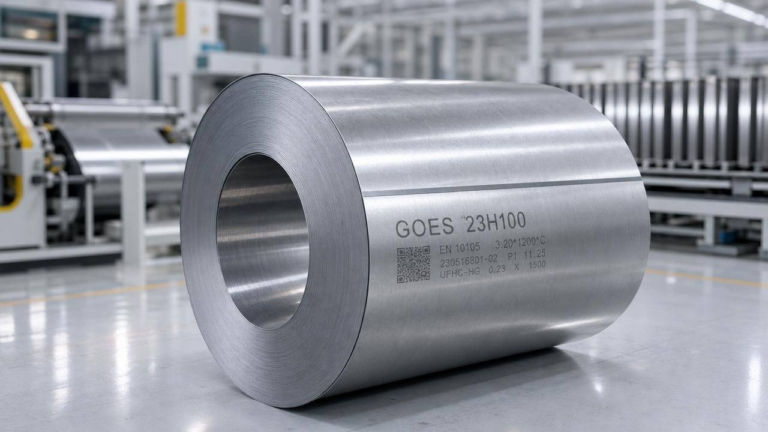
On September 18, the European Commission officially implemented provisional safeguard measures on imports of grain-oriented electrical steel (GOES). The measures include tariff quotas combined with price thresholds. GOES steel is a key material in the manufacture of power transformer cores, and for this reason the European Commission considers it strategically important for the security of the EU’s energy infrastructure.
The scope of Europe’s measure has an even more interesting aspect: in addition to GOES sheet, certain downstream products such as laminations and transformer cores, and even cores already installed inside transformers, are also covered. The Commission said that import pressure, global overcapacity and the closure of some traditional export markets have put European industry under strain. These measures are currently provisional, and to become definitive measures they must go through the European legal process.
Analysis of the Importance for the Iranian Market:
The key point for the Iranian market is not Europe’s restriction itself; it is the possible shift in trade direction. If some of the Asian producers that export GOES or related products to Europe face tougher restrictions, they may compete more aggressively to sell their surplus in other markets.
For Iranian buyers of electrical steel, electrical equipment or transformers — if their supply depends on imports — this development could create both opportunity and risk. The potential opportunity is more supply options and perhaps improved bargaining power in some markets; but this outcome is not certain and will depend on producers’ pricing policies, shipping costs, financial restrictions and sanctions conditions.
The more important aspect of the news is that it shows a global trend: the steel market is moving toward a point where, in addition to price and quality, the origin of goods, production capacity, protectionist policies and trade regulations increasingly affect the ability to transact. For specialized trading companies, monitoring “destination-market regulations” is no longer a side activity; it is part of the buying and selling process.
Primary source: European Commission