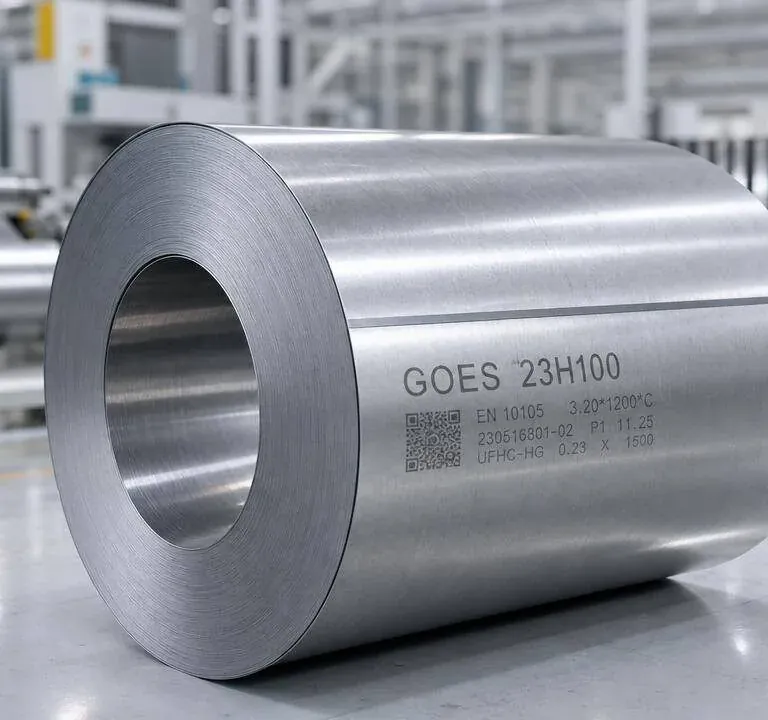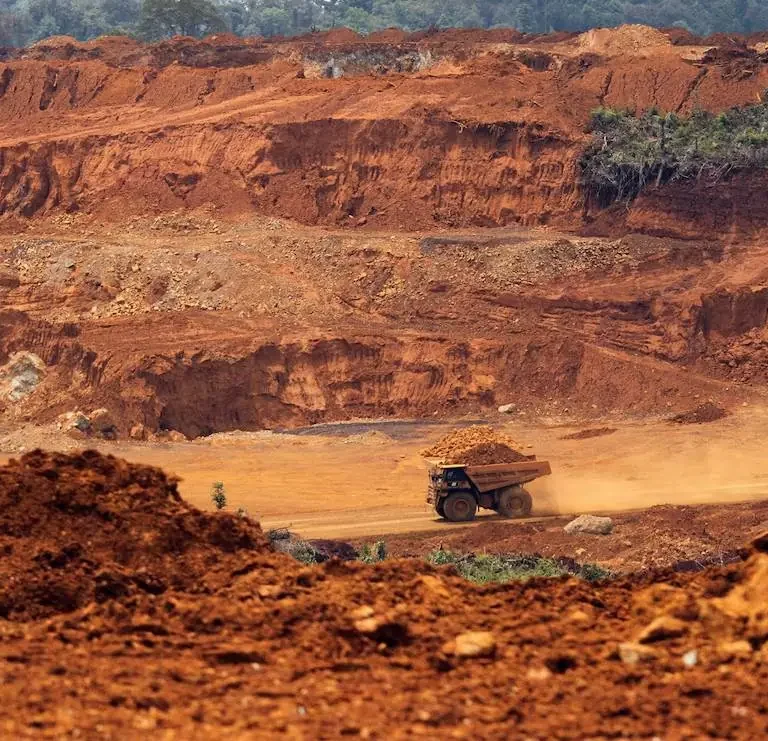

Critical minerals are no longer merely an item of global trade; they have become a key element in economic negotiations between great powers. In the latest round of US-China economic talks, US Treasury Secretary Scott Bessent and Chinese Vice Premier He Lifeng have placed issues including tariffs, trade, artificial intelligence, and specifically the export flows of China’s critical minerals and rare earth magnets on the agenda.
The trade truce between the two countries also expires on November 10, and US officials have said they do not consider the flow of certain critical minerals from China to be sufficient.
The importance of this news extends beyond Washington-Beijing relations. China holds a highly significant position in the processing of rare earths and the production of magnets used in electric motors, industrial equipment, energy industries, and advanced technologies. Therefore, any export restriction, licensing change, or agreement between the two countries can directly affect prices, delivery times, and the availability of industrial materials and components in the global market.
Analysis of Significance for the Iranian Market
The impact of this event on Iran is mostly indirect but significant. Even a company that does not directly import rare earths may purchase machinery, electric motors, automation equipment, or components whose manufacturing chain has utilized these very materials. For this reason, tension in China’s supply chain can ultimately manifest in equipment prices and order delivery times.
From the perspective of Iranian mining sector players, the main message of this development is the necessity of supply risk management. Dependence on a single supplier or a single geographical route in the field of strategic equipment and materials can become more costly than before. Identifying alternative suppliers in China, India, and other Asian markets, reviewing strategic inventories, and continuously monitoring the export regulations of the source country should gradually become part of the professional activities of procurement units.
Main Source: Reuters