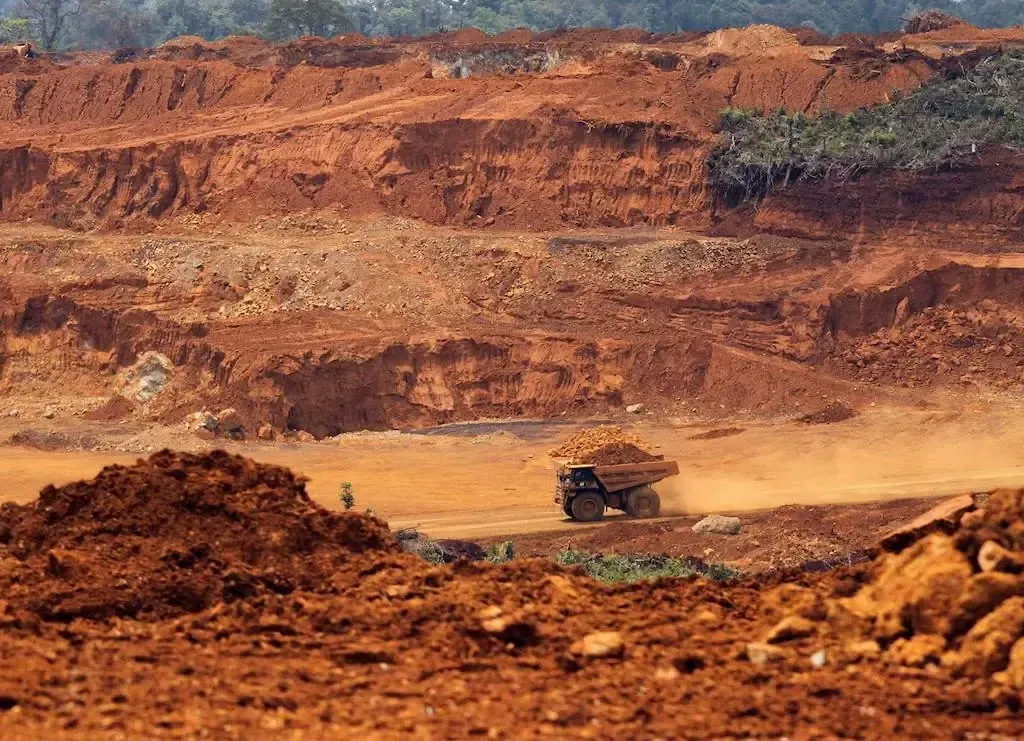
Indonesia, one of the most important players in the global nickel market, has changed its pricing formula for low-grade nickel ore. The country’s energy ministry has cut the correction factor used for ore with 1.2 percent nickel grade from 26 percent to 14 percent, and the associated cobalt factor from 30 percent to 17 percent. The new regulations took effect on September 15.
The direct effect of this change is a reduction in the calculated price of low-grade nickel ore, or limonite, and consequently a reduction in some of the related taxes and royalties. Limonite is one of the feedstocks used in the HPAL process to produce materials used in the electric vehicle battery chain. The Indonesian Nickel Smelters Association welcomed the new formula and described it as a factor that increases operational confidence for processing plants.
Analysis of the Importance for the Iranian Market:
The importance of this for Iran should not be simplified to the claim that “nickel will become cheaper in Iran.” Such a conclusion cannot yet be substantiated. But Indonesia has become so important in the global nickel supply chain that a change in its domestic policy could, over time, affect the supply of intermediate nickel products, battery raw materials, and even the pricing environment of some downstream products.
For Iranian trading players, nickel is not only about electric vehicle batteries; its price and supply are also linked to the stainless steel market, special alloys, and some industrial raw materials. Indonesia’s policies can therefore be an important indicator for purchasing decisions and medium-term contracts.The more important point is that in recent years Indonesia has shown it does not intend to remain merely a seller of raw minerals, and uses mining and trade policy to develop its own downstream industries.
The new pricing change should also be seen in this framework: mining policy has become a tool of industrial and trade policy.For Iran’s mining industry players, following such policies may be even more important than tracking the metal price moment by moment, because a change in the producing country’s regulations sometimes determines the direction of future supply before it shows up in the market price.
Primary source: Reuters